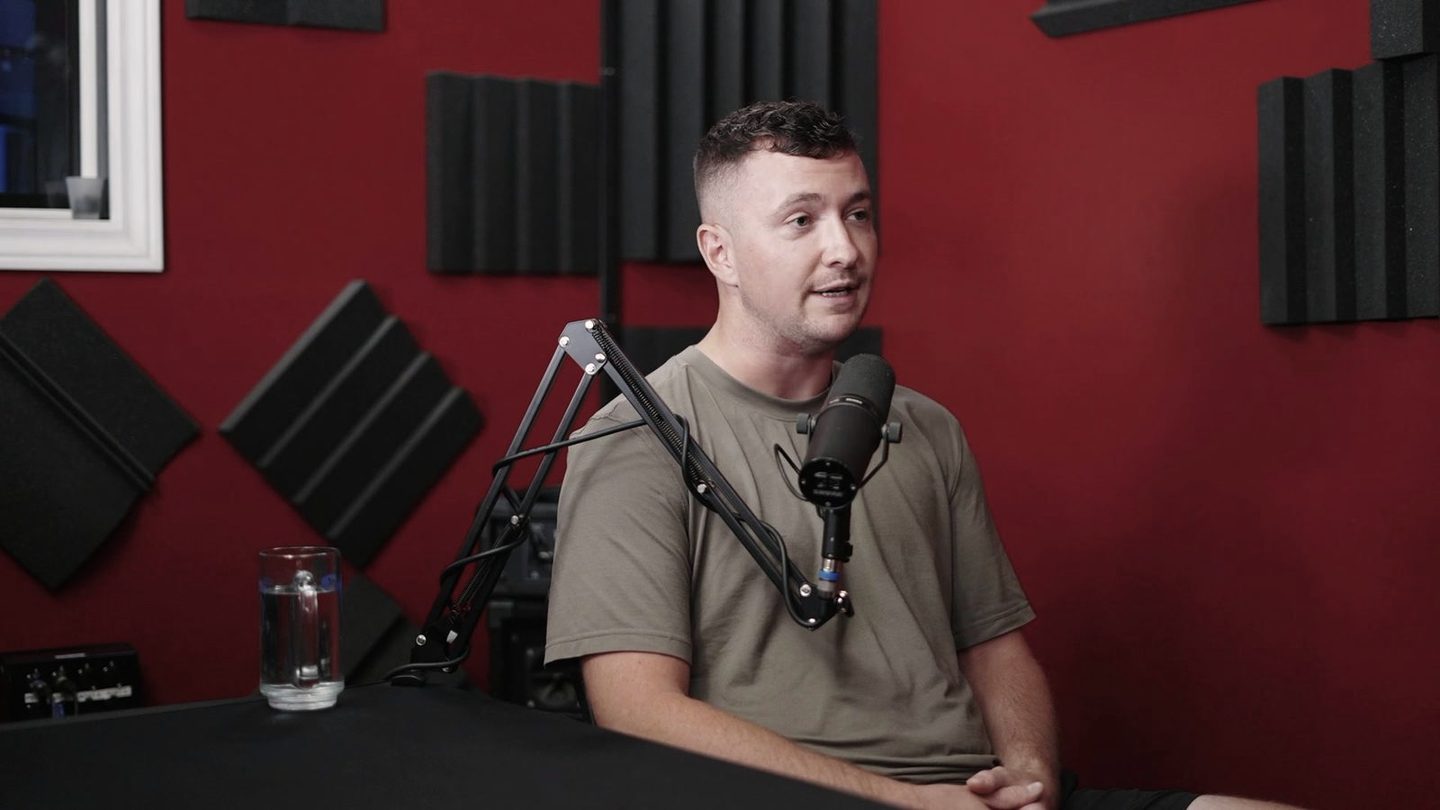
Jonathon O'NeillFootball coach, ChicagoSince 2010UEFA A Licence
The footballand the peopleside of a club,built together.
On The Lowdown podcastCHI
I coach players to read the game and to handle themselves inside it, and I work on the coaches and clubs around them. Sixteen seasons across Northern Ireland, Canada, China and the United States, and two teams of my own on the grass every week.
Chicago City SCHeadCoachSeattle CelticLondon TFC AcademyBurnley FC International, ChinaVancouver Whitecaps FCKnockbreda FCIrish Football AssociationUEFA A LicenceChicago City SCHeadCoachSeattle CelticLondon TFC AcademyBurnley FC International, ChinaVancouver Whitecaps FCKnockbreda FCIrish Football AssociationUEFA A Licence
Chicago City SC, HeadCoach, Seattle Celtic, London TFC Academy, Burnley FC International, China, Vancouver Whitecaps FC, Knockbreda FC, Irish Football Association, UEFA A Licence
01Where it started
PPerformance=ppotentialiinterference
One line in a coaching textbook, and a question I still coach by.
I found the equation in a book called Emotional Intelligence Coaching, during the EQ module of my postgraduate study at UCLan. It traces back to Timothy Gallwey's The Inner Game. Performance is potential minus interference. My first thought was what is interfering with mine?
My job was to make players better at football, and that ability only shows once the interference is out of the way. So I started with my own: my values, and the moments I got in my own way. One of them was a red card, earned on a touchline when I lost control of myself.
Every session I coach still starts from that question, whether it's a fourteen-year-old learning to see the pass or a coach having a bad night with the referee.
1:19, captionedRecorded for The LowdownRead the transcript
"I did my postgraduate in coaching at the University of Central Lancashire. There was a part in our EQ module, in a book I was reading. I believe it was called Emotional Intelligence Coaching. And there was a nice little equation in it. Performance is equal to your potential minus interferences. And my head just started going: what is interfering with my potential? Because as a coach, your job was to improve football ability, but your ability won't come out unless we have removed as many interferences as possible. It led me to a journey where I was reflecting on my values, and what had interfered with me doing my best. There's probably a lot of coaches out there who are better than me, more tactically adept. But I feel like it accelerated my development as a coach and a person."
“
There's probably a lot of coaches out there who are better than me, more tactically adept. But I feel like it accelerated my development as a coach and a person.
On The Lowdown podcast
02The work
Every player I coach is working on two things at once: the game in front of them, and the person playing it. A good club makes room for both.
01The game
What a player sees and chooses.
Perception and decision come before technique. A perfect pass to the wrong teammate is a good touch on a bad decision, so I coach what players see and choose as well as what their feet do, inside one playing model that runs from the youngest team to the oldest.
Confidence, self-control and the reset after a mistake get planned into the week like any other skill. Players bring their sleep, their nerves and the rest of their lives onto the pitch, and a coach's state becomes the team's state. I learned that one the hard way.
Coach education that starts from a coach's own sessions. Culture carried by routines a new coach can see in their first week. And since 2025, a coach platform, dashboards, and athlete and analysis tools built into how Chicago City's coaches work.
What coaches in my Four Pillars workshop guessed their ball rolling time to be. The ones who had timed it came in lower.
2
Teams I still coach myself every week: the U18 Girls Academy and the U14/15 boys at Chicago City.
4
Countries coached in since 2010, from primary school programs to academy and senior football.
03Coach education
The Player in the Game.
We ask six-year-olds to dribble and look up at the same time. How much of the game can they actually take in? And who decided they were a defender?
Seven questions from my coach workshops, each set against what the research says and where it runs out. It's written to start an argument in your coaching room, and to settle a few.
What does the game look like at each age?
What can a six-year-old actually take in?
Who am I in this team?
Lines or labels: back, middle and front line, or "defender" and "attacker"?
Are development windows doors, or rooms?
Whose technique is it, the coach's or the player's?
01The cover: seven questions from my coach workshops.02What does the game look like at each age?03What a young player can actually hold in mind.04The child in the game: dribble and see, at once.06Who am I in this team?07Identity across the age bands.09Development windows: doors or rooms?11Whose technique is it, the coach's or the player's?12Skill under pressure.13Parts, wholes and the game.15How it all connects.
01 / 11
04HeadCoach
The inside half of the equation.
HeadCoach helps athletes arrive ready to perform.
It started as the system I built over years of coaching for the skills that decide performance, like self-awareness, confidence and self-control, with the same care for a player's wellbeing and growth as a person. In 2020 we turned it into technology. Today it's a wellbeing and performance platform for athletes, coaches and clubs, built by a team that contributes to every part of it, and I lead it as co-founder and President.
The eight skills players work on. Live on iOS and Android since February 2024.
05On the grass
Sixteen seasons, and still coaching.
From grassroots and primary school programs in Northern Ireland to academy football in three more countries. Staying on the grass keeps the rest of the work honest.
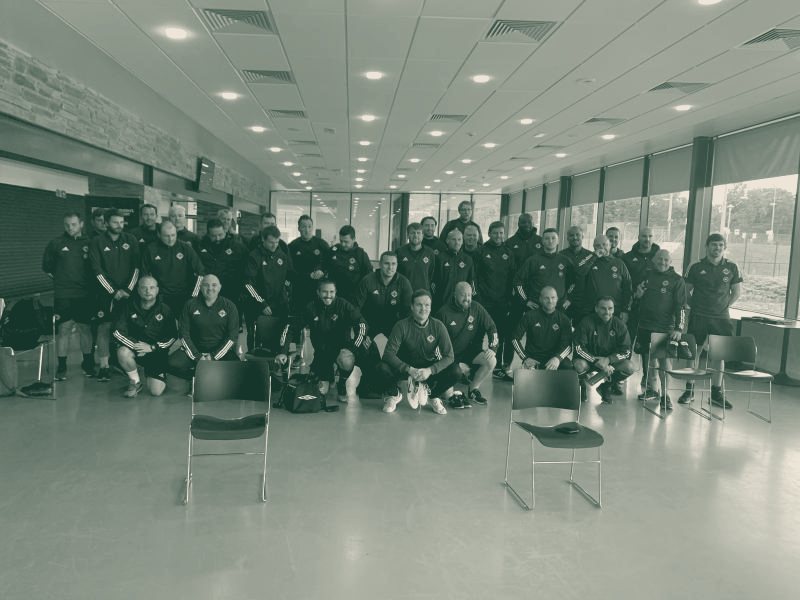
UEFA A Licence course, Northern Ireland, 2020.UEFA A
2025 to now
Chicago City Soccer Club
Football program and technology. Head Coach, U18 Girls Academy and U14/15 boys.